
 +86-18633235200
FRP piping are employed in sectors including petroleum, chemical engineering, and drainage systems. The production of FRP pipelines in China has grown rapidly, with increasing annual output and expanding applications across various industries. These pipelines are manufactured using resin (food-grade resin for potable water transport), glass fiber, and quartz sand through specialized processes.
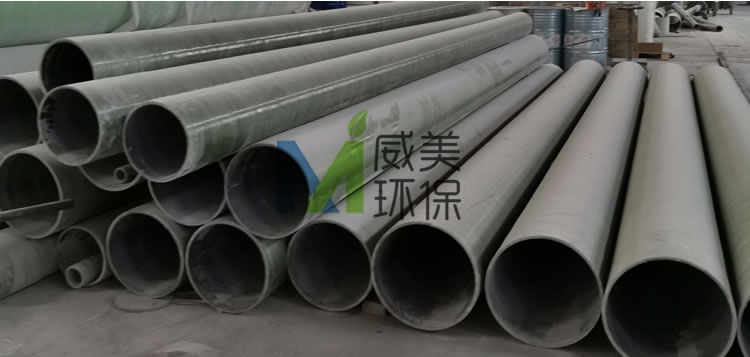
FRP piping
FRP filament-wound pipelines are lightweight, high-strength, corrosion-resistant non-metallic pipes. They are fabricated by winding resin-impregnated glass fibers layer-by-layer onto a rotating mandrel, with quartz sand uniformly distributed between the fibers to form a sand-containing interlayer. The optimized wall structure ensures efficient material utilization, enhancing stiffness while maintaining required strength, thereby guaranteeing product stability and reliability. Compared to conventional steel pipes, FRP sand-lined pipelines offer superior chemical corrosion resistance, lightweight yet high strength, anti-scaling properties, seismic resilience, longer service life, lower overall costs, and rapid, secure installation, making them widely accepted in various applications.
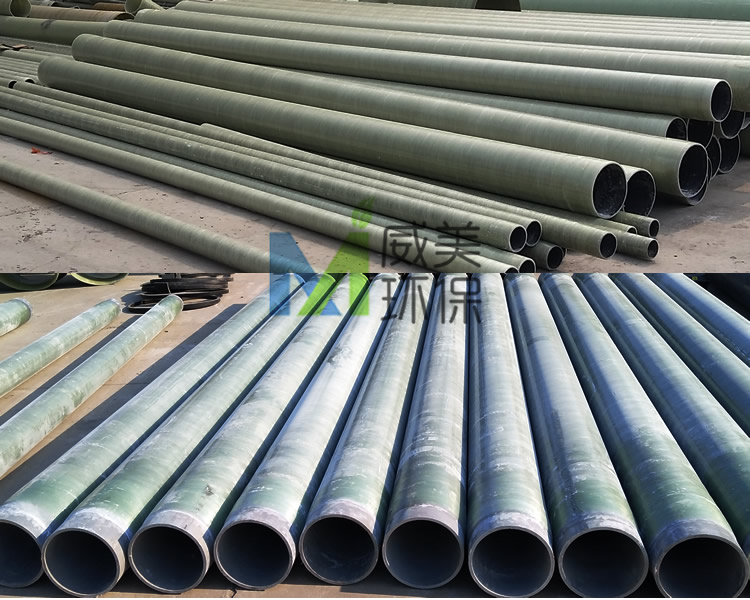
FRP piping